Emergency Communication Systems for High-Rises That Deliver Peace of Mind
Intercom systems, fire alarms and voice notifications connect every floor and apartment in a high rise, ensuring that urgent warnings reach residents within seconds. Most buildings rely on a mix of loudspeakers and direct lines to security, but older towers may depend on less reliable wiring or outdated speakers. Without these layers of backup, a technical fault can mean missed alerts, especially when regular testing falls behind the three month standard. Secure in their homes, many residents turn those quiet evenings into time for pursuits like spinning reels or weighing the odds of a jackpot, free from the anxiety that an undetected emergency could interrupt their game night. That sense of safety rests on a few essentials:
- Direct notification – messages sent to every unit at once, not relying on mobile signals or individual action.
- Redundancy – alternate wiring or battery backups that keep alerts working even during a power cut.
- Routine inspection – scheduled checks and tests that catch silent failures before an emergency shows them up.
Reliable systems mean even the most focused player can keep an eye on live bonuses or sudden payouts, without scanning the hall for signs of trouble. That peace of mind is the baseline for any relaxed evening at home, no matter how residents choose to spend it.
How do these systems actually keep residents safe
Wall-mounted speakers and direct alerts link every floor to a central control room, making sure no resident misses a critical warning. This reliability brings a steady calm to high rises, where distractions can otherwise multiply. An uninterrupted evening becomes possible, whether someone is enjoying a movie or spinning reels in an online casino, comparing jackpots or double-checking withdrawal rules without glancing at the hallway for trouble.
Critical features that prevent failures
Backup power supplies keep emergency communication systems running even when grid electricity fails. This design choice makes a difference during blackouts, when elevators and lighting may already be out. Downtime shakes confidence, especially after residents have already experienced delays in fire alarms or evacuation announcements.
Redundant wiring paths mean a single damaged cable cannot cut off all floors. Some systems install dual speakers in corridors to avoid a silent zone if one unit fails. Technical checks are scheduled weekly in newer high rises, but older buildings often rely on manual inspections. Small lapses can lead to minutes lost during a real emergency, leaving residents unsure whether instructions will come through.
Reliability in the building also influences what people do with their free time at home. Residents who trust alerts will sound sleep more soundly and often leave the TV or a card game running in the background. For some, this security means they choose to play blackjack or browse the latest jackpot offers online, knowing they will hear any urgent message. The sense of safety extends past the front door, shaping how evenings unfold and how stress is handled.
Direct experience with system reliability changes how people use their living space. When alerts work as promised, distractions like poker hands or spinning reels never become a risk.
How reliability supports daily relaxation
A steady emergency communication system changes the atmosphere in high rise buildings, turning anxiety into routine calm. Confidence in a system that will alert residents during a crisis lets people trust their environment even when far from exits or alone at night. This quiet assurance shapes the way evenings unfold inside apartments:
- Residents notice fewer distractions during leisure, with their attention no longer cycling back to 'what if' scenarios.
- Social spaces fill as neighbors gather, knowing that any urgent message will cut through background noise instantly.
- People start longer activities, such as sessions on online casinos or movie marathons, unconcerned about missing a critical alert.
- With dependable communication, even risk-based games like slots or poker online feel less tense, as external worries fade.
- Family routines stretch out, with parents feeling safe enough to focus on evening plans rather than checking hallways or group chats.
Three or more successful alert drills per year set a baseline for real peace of mind. Apartments where residents can play, watch, or chat without glancing at their phones every few minutes show the system is working as intended.
A robust emergency communication system makes the difference between constant worry and genuine relaxation at home. Free from uncertainty, residents can weigh up deposit bonuses or chase a favourite payout on their phones, knowing their safety is already handled.
Visitors notice the calm atmosphere in the lobby, with neighbours lingering to chat instead of hurrying past. This sense of relaxation at home lets residents confidently explore online casinos and free spins, knowing their peace of mind is not at risk. Many choose online casino FS to try out new slots and see which ones bring the most excitement. These everyday scenes prove how a dependable safety system quietly shapes daily life.
What makes one system more reliable than another
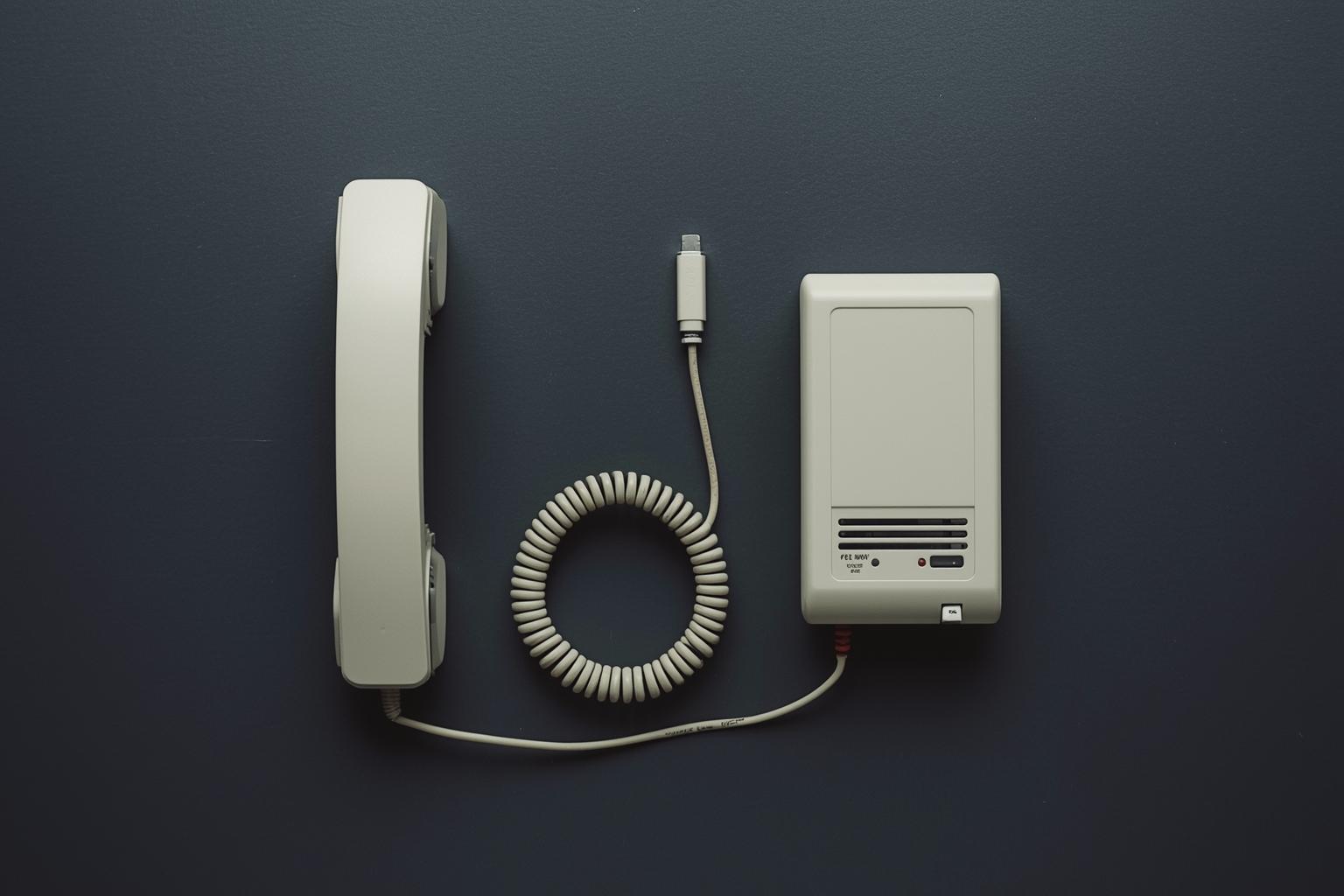
Reliable emergency communication systems in high rises often hinge on the quality of infrastructure and the ability to maintain clear connections during crises. When connections falter or messages fail to reach every floor, evacuation and rescue efforts slow. Several factors separate high-performing systems from those that leave residents waiting for information:
- Redundant backup power – calls and alerts work during blackouts
- Full building coverage – no dead zones in stairwells or basements
- Direct integration with first responders – seamless updates from fire or police
- Automatic system self-checks – faults detected before emergencies
- Clear, multi-language audio – everyone understands alerts regardless of background
Failures in these areas can leave residents uncertain or trapped during emergencies. With confidence in building safety, people unwind in their own ways; some might spend that quiet evening spinning reels or claiming a welcome offer, knowing their focus can stay on jackpots instead of evacuation plans.
Who is responsible for maintaining these systems
Building management arranges for regular inspections of emergency communication systems because missed maintenance can lead to system outages during an actual fire or power failure. Clear roles limit confusion when alarms sound, while overlooked duties can create delays that affect evacuation times. After a system check, residents often find themselves with a rare stretch of worry-free hours, sometimes using that time to spin reels on slots or check the latest jackpots from the comfort of their living rooms.
| Responsible party | Main duty | Frequency of checks | Typical failure if missed |
|---|---|---|---|
| Building management | Schedules and documents inspections | Monthly or quarterly | Missed faults in intercoms |
| Service provider | Performs technical maintenance | As per contract, usually twice a year | Outdated firmware causes communication drop |
| Residents | Report malfunctions or dead batteries | As soon as noticed | Unreported faults linger |
| Local authorities | Enforce compliance via audits | Annual or after complaint | Fines, forced shutdowns |
| Security staff | Test systems during shifts | Weekly | Silent alarms go unnoticed |
Delegating routine checks to professionals prevents the confusion and fines that come from missed inspections. When maintenance is up to date, residents can enjoy home comforts–including poker nights or bonus rounds–without glancing at the fire panel every hour.
What are the limits and common misconceptions
Fire alarms and intercoms in high rises cannot guarantee instant connection or perfect coverage during every emergency. Residents often trust these systems to provide full protection, yet outages and technical failures still occur. This sense of security shapes how people plan their evenings–some settle in for hours at home, playing video slots or watching live dealer streams on their phones, confident that a warning will sound if needed.
Misunderstandings about system coverage
Soundproof zones and reinforced stairwells in high rises often block emergency signals. Residents may assume every corner is covered, but system reach stops at physical and technical barriers:
- Concrete fire doors – signal drops behind them
- Basement garages – radio waves weaken underground
- Thick stairwell walls – gaps in speaker coverage
- Intercom panels – only connect to specific floors, not the full building
Most confusion happens during routine system tests, when announcements fail to reach those in remote laundry rooms or lower parking levels. Peace of mind after these checks lets residents focus on everyday comforts, like relaxing with a hand of blackjack or spinning reels, without the background worry that an alert might go unheard.
Limits on uninterrupted leisure at home
Unexpected interruptions sometimes break the flow of a quiet evening at home, especially in high rise apartments equipped with advanced emergency communication systems. Even a well planned leisure session can be disrupted by a test alarm, a live announcement, or a technical glitch that triggers the system at odd hours.
Emergency alerts may override all other audio, including the sound from streaming movies or a live blackjack session on an online casino platform, forcing a pause in activity and breaking immersion.
These interruptions tend to matter most during high stakes moments, such as a timed online slots bonus round or a group poker tournament. Residents often find that even with the volume turned down, a mandatory alert silences all background noise, leaving no option but to wait until the message has finished before resuming play.
Assumptions about flawless emergency alerts can lead to frustration when disruptions delay evacuation or break the calm of a quiet night. People who expect uninterrupted leisure, including time spent on blackjack tables or chasing jackpot rounds online, face real disappointment if system limits are not widely understood.